


Build a Kitchen That Inspires Healthy Cooking and Sustainable Wellness
For everyday home cooks taking on major kitchen renovations, the goal often starts as better cabinets and smoother traffic flow, yet the real test comes later when stress and busy schedules push long-term nutrition to the sidelines. Willpower fades, and even strong intentions can get derailed when the space makes healthy choices feel inconvenient. A health-focused kitchen layout can quietly reduce friction, making sustainable wellness habits easier to repeat without constant decision fatigue. Thoughtful kitchen design also protects the routines that depend on reliable cooking and storage, so healthy momentum doesn’t collapse the first time something breaks.
Protect Your New Appliances to Keep Healthy Cooking on Track
When your renovation is meant to make healthy cooking easier, it helps to protect the appliances you’ll rely on every day.
A home warranty can safeguard your investment in health-focused upgrades by helping cover repairs or replacements when essential kitchen appliances break down, so a failed range, refrigerator, or dishwasher doesn’t derail consistent, nutritious cooking habits or create an unexpected budget shock. Building a plan that includes a home appliance warranty can also stabilize your renovation timeline, since you’re not forced to choose between costly repairs and getting back to normal meal routines. As you compare options, look for a home warranty that covers the removal of defective equipment and breakdowns caused by improper installations or repairs. With protection in place, you can focus on how your kitchen’s design choices influence what you reach for, and what you eat, each day.
Understanding How Kitchen Design Shapes Habits
With the right coverage in place, the next step is behavior.
Kitchen design influences eating habits because your space sets the “path of least resistance.” Layout affects how quickly you can prep, cook, and clean, while appliances, storage, and materials quietly steer what feels doable on a busy night. The residential segment accounted for a share of 84.6% in 2025, reflecting how at-home tools can support healthier routines when they are easy to use.
This matters because repeatable meals usually come from low friction, not willpower. When produce is visible, knives and pans are within reach, and clean surfaces feel safe to use, you cook more often and order less.
Picture arriving home tired: a clear counter near the sink, a quick-cook appliance, and labeled containers make a grain bowl feel effortless. If leftovers are hidden or cookware is hard to access, even good intentions stall.
That same practical thinking also clarifies where supplements can help without replacing real food.
Use Supplements Wisely to Round Out Your Nutrition
When your kitchen is designed to make nourishing meals the easiest choice, you’re already doing a lot for your health, but food and habits still don’t always cover every long-term need.
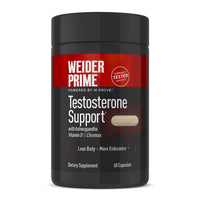
Even with consistent home cooking, there are times when targeted supplements can help fill in the gaps and support specific wellness goals alongside daily nutrition. Weider Global Nutrition offers science-backed, third-party tested supplements that have been trusted since 1936, making it easier to choose options with quality and consistency in mind. Used thoughtfully, supplementation can support areas many people care about over time, including hormone balance, cellular energy, sleep and stress resilience, heart health, and healthy aging and longevity.
Next, we’ll tackle the practical renovation questions, layout, storage, and reliability, so your kitchen supports the routines that make healthy choices stick.
Healthy Kitchen Renovation Questions, Answered
Q: What’s the fastest layout change that supports healthier eating?
A: Create a clear “prep zone” with your cutting board, knives, mixing bowls, and spices within arm’s reach. Add bright task lighting so chopping and portioning feel easy, not like a chore. If you can, keep the sink, trash, and compost close together to reduce steps.
Q: How can I make healthy options the most visible choice?
A: Use eye-level storage for whole grains, beans, nuts, and low-sugar snacks in clear, airtight containers. Reserve the easiest-to-reach shelf for fruits and vegetables, not treats. A simple lazy Susan can keep nutritious staples from getting lost.
Q: Which materials are best for a wellness-focused, low-toxin kitchen?
A: Choose low-VOC paint, formaldehyde-free or low-emitting cabinetry, and durable surfaces that clean easily with mild soap. Ask for product certifications and request written specs before ordering. Ventilation matters as much as materials.
Q: Can sustainable upgrades actually save money over time?
A: Yes, especially with LED lighting, efficient faucets, and induction cooking that wastes less heat. Prioritize high-impact swaps first, then add recycled-content or long-life materials as the budget allows. Even small changes reduce replacement costs.
Q: How do I avoid unreliable appliances and costly repairs?
A: Look for models with strong warranty terms, widely available parts, and consistent service support. Read long-term reliability reviews, not just first-week impressions. Register your appliance, clean filters and coils, and follow maintenance schedules.
Small, well-chosen upgrades can make healthy routines feel natural every day.
Build Long-Lasting Wellness With One Smart Kitchen Upgrade
It’s easy to want healthier eating, then feel stuck because the kitchen makes good choices harder than they need to be. A health-focused kitchen design mindset, grounded in the benefits of intentional kitchen layout and practical, nutrition-supportive renovations, turns daily decisions into something simpler and more consistent. When your space supports prep, storage, and cooking flow, healthy habits take less willpower and are easier to repeat. Design the kitchen you need, and healthy habits follow more naturally. Choose one motivating kitchen upgrade this week that removes friction and supports the way you want to eat. That steady alignment is what builds long-lasting wellness you can rely on through busy seasons and changing goals.