

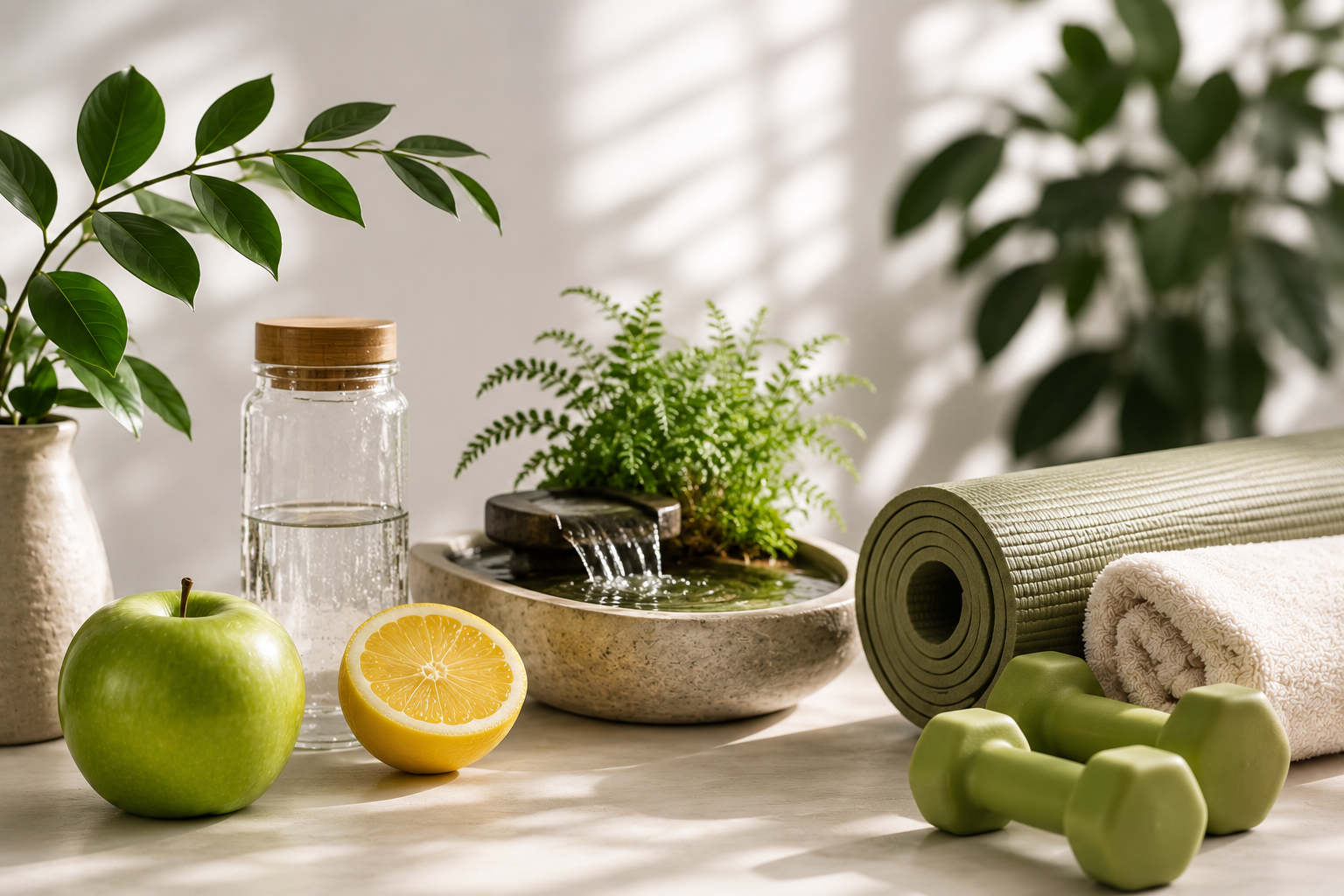
For busy parents juggling work, caregiving, and a household that never really powers down, wellness can start to feel like one more task that keeps slipping. The core tension is real: stress management challenges pile up while routines swing between “on track” and “back to square one,” leaving little energy for healthy lifestyle changes. A steadier answer comes from self-improvement strategies that treat wellbeing as a personal growth journey rather than a quick fix. With the right focus, everyday choices begin to support calmer days, stronger habits, and optimal wellness.
Quick Wellness Takeaways
● Practice stress reduction techniques that calm your mind and support steadier daily energy.
● Build simple fitness routines that fit your life and strengthen overall wellbeing.
● Improve sleep with practical habits that help you rest more deeply and recover.
● Choose healthier eating habits that nourish your body and support sustained vitality.
● Create positive social environments and consider career changes that can improve mood and balance.
Use a Career Pivot to Rebuild Purpose and Lower Stress
When a role starts to feel stagnant, the impact often shows up beyond the office: lower motivation, less fulfillment, and a creeping sense that your days aren’t aligned with what matters to you. A career pivot can be a powerful self-improvement step because it can reignite personal growth, reconnect your work to your values, and reduce stress that builds when you’re stuck in a poor-fit environment. This matters even more right now: studies suggest rising burnout and dissatisfaction are colliding with many employers prioritizing external hiring over developing the talent they already have, deepening skills gaps and narrowing advancement pathways for workers who want to grow. If you’re exploring what barriers might be in your way and what advancement options could support your next move, the Phoenix career institute offerings can be a credible starting point for that research.
Build Your Personalized Wellness Toolkit (Mind, Body, Home)
Wellness sticks best when it’s modular: small tools you can combine based on your schedule, stress level, and what season of life you’re in, especially if you’re navigating a career pivot and want your daily habits to support that bigger goal.
- Start a 3-minute mindfulness “reset” you can use anywhere: Pick one consistent cue, opening your laptop, getting in the car, washing your hands, and do three minutes of mindfulness meditation: 10 slow breaths, name 3 sensations you feel, then choose one intention for the next hour. This works because it interrupts stress autopilot and helps you respond instead of react, which is useful when you’re making job decisions or handling uncertainty. You’re in good company: adults practiced meditation from 7.5 to 17.3 percent over the last two decades, and that growth reflects how workable this tool is for real life.
- Build a customizable fitness plan with “minimums” and “bonus” options: Write two workouts: a minimum (10–15 minutes) and a bonus (25–45 minutes). Minimum days might be brisk walking plus 2 sets each of squats, push-ups, and a plank; bonus days add intervals, strength circuits, or a longer ride/run. This keeps your body plan consistent even when interviews, deadlines, or family needs disrupt the week, showing up counts, and you can scale up when you have capacity.
- Protect sleep with a simple shut-down routine (and one bedroom rule): Choose a fixed wake time most days, then set a “screens off” alarm 45–60 minutes before bed. Use that window for a low-light wind-down: quick tidy, shower, stretching, or reading, then keep one rule in the bedroom (for many people, “no work materials on the bed” helps separate career stress from recovery). Sleep isn’t optional productivity, sleep problems linked to USD 680 billion in annual economic loss across several countries show how big the ripple effects can be.
- Create a balanced nutrition “mix-and-match plate” for busy days: Keep it practical: aim for a palm-sized protein, two fists of colorful produce, a cupped-hand portion of carbs, and a thumb of healthy fat. Stock “assembly meals” you can build in five minutes, Greek yogurt + fruit + nuts, eggs + frozen veggies + toast, or a bagged salad + canned beans + olive oil. This steadies energy and mood, which helps you think clearly during career planning and reduces the urge to rely on quick fixes.
- Use positive peer influence on purpose (and limit the drain): Identify two people who make your habits easier, walking buddy, coworker who takes real lunch breaks, friend who cooks, and schedule one recurring touchpoint weekly. Just as important, set a boundary with “drainers” by choosing a time limit or topic limit (for example, 20 minutes to vent, then switch to solutions). Your environment shapes your defaults; supportive people make healthy choices feel normal.
- Try a one-habit elimination strategy: reduce friction, don’t rely on willpower: Pick one habit that quietly undermines your goals, late-night scrolling, sugary afternoon snacks, weekend overcommitting, and run a two-week experiment. Change the environment (charge your phone outside the bedroom, pre-portion snacks, put one “no plans” block on the calendar) and track only one metric: how many days you followed the rule. These small wins build trust in yourself, especially valuable when motivation dips or life throws you off routine.
Wellness Habit FAQs (When Life Gets Busy)
Q: What if I “don’t have time” for self-improvement right now?
A: Shrink the habit until it fits into a real gap in your day: 3 minutes, 10 minutes, or one simple meal choice. Tie it to something you already do, like morning coffee or brushing your teeth. If it cannot fit, it is not a failure, it is a signal to simplify.
Q: How do I stay motivated when progress feels slow?
A: Use a tiny tracking win, like checking off days you showed up, even briefly. Motivation often follows action, so start with a “starter step” you can do in under two minutes. Then reward the routine with something immediate, like a stretch you enjoy or a relaxing shower.
Q: Can I keep a wellness routine when my schedule changes week to week?
A: Yes, if your plan has a baseline and an upgrade. Decide your non-negotiable minimum, then add bonuses only when you have capacity. This protects momentum without turning wellness into another all-or-nothing rule.
Q: How do I set boundaries without feeling rude or guilty?
A: Keep it simple and specific: name the limit, offer an alternative, and stop explaining. Try “I can talk for 15 minutes, then I need to reset,” or “I am not available tonight, but I can do Friday.” Boundaries are a kindness to your future energy.
Turning Small Wellness Goals Into Steady, Lasting Growth
When life gets busy, it’s easy for routines to slip and for self-improvement motivation to feel out of reach. The steadier path is the mindset of wellness goal setting built on compassion, flexibility, and continuous personal development rather than perfection. With that approach, missed days become feedback, small wins become proof, and empowerment through change starts to feel realistic in real life. Small steps, repeated with kindness, build the wellness you can keep.




Share:
How to Stick To Your Wellness Goals Without Giving Up
Adjusting Your Supplements When You Move From a Cold Climate to a Hot One