

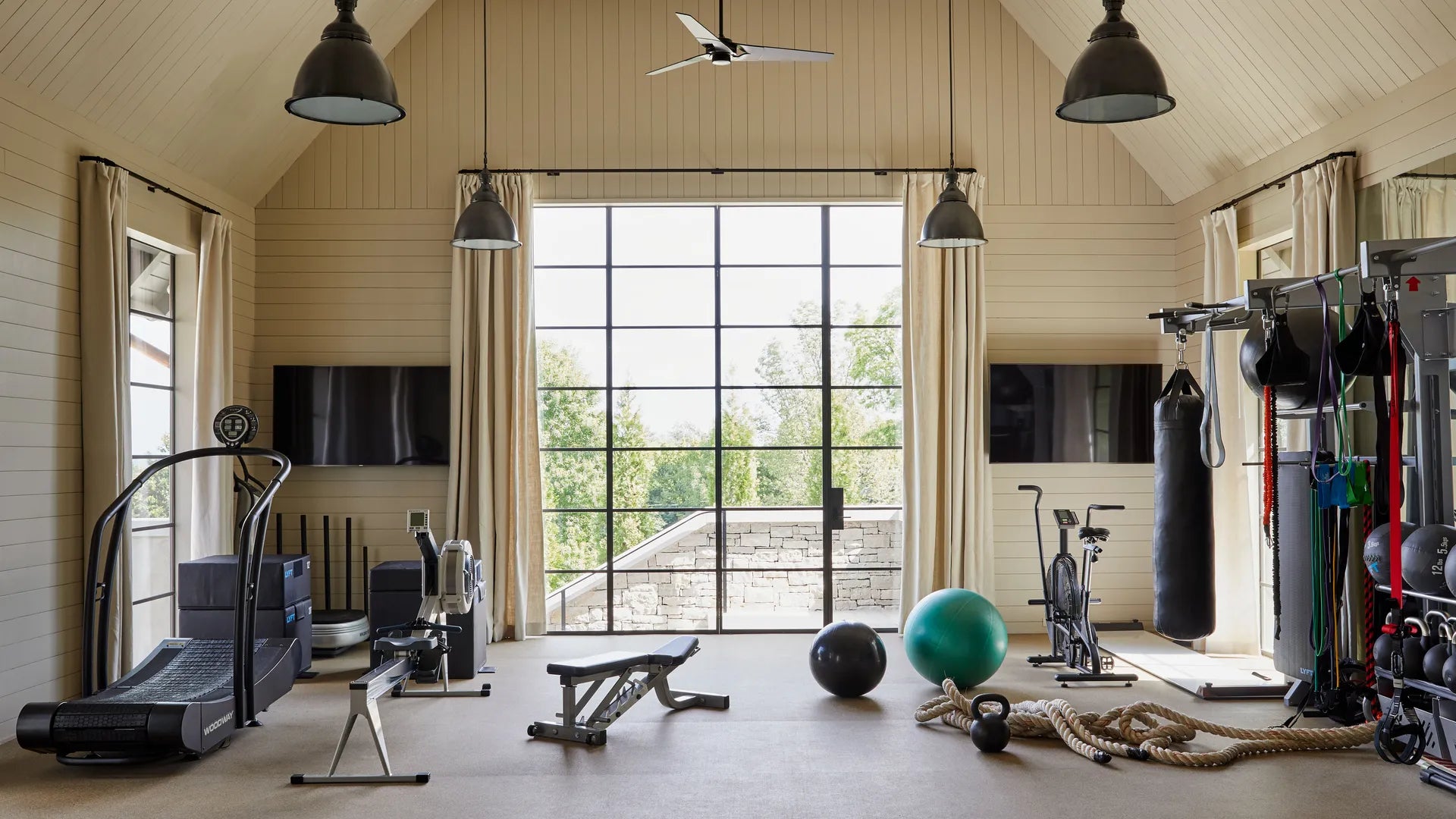
For busy parents juggling work, caregiving, and personal health, a multipurpose wellness room can make self-care feel realistic at home. The challenge in home remodeling for wellness is balancing a fitness and relaxation space without turning it into a cluttered corner of equipment or a fragile “perfect” room that rarely gets used. A thoughtful, flexible home gym concept can support daily movement, quiet recovery, and steadier routines while keeping the home feeling livable. The real wellness design benefits come from choosing a room that adapts as needs, energy, and priorities change.
Budget the Remodel: When a Fixed-Rate Equity Loan Fits
Once you know what you want this calm, multipurpose room to do, the next step is figuring out how to fund the upgrades without turning them into a patchwork project. A home equity loan can help you finance a cohesive, multi-use wellness space by giving you a lump sum of cash, using your home’s equity as collateral. That can make it easier to cover multiple improvements at once, so the room feels intentional rather than piecemeal. If you’re comparing options, look into the best home equity loan for your needs, and keep in mind common requirements: you’ll typically need enough equity in your home, good credit, stable income, and a debt-to-income ratio the lender considers acceptable.
Understanding Well-Rounded Wellness Design
A wellness room works best when it is designed as a complete support system for your body. That means planning zones that flow, choosing lighting that calms or energizes, picking durable surfaces that handle sweat and cleaning, and making space for recovery tools like stretching, foam rolling, or quiet breath work. It also includes recovery from the inside out, with solid meals and supplements such as Weider’s protein, vitamins, and performance formulas.
This matters because the right layout and light make routines easier to start and safer to finish, not just prettier to look at. In fact, lighting is not an afterthought because it shapes movement, comfort, and privacy. Think of it like setting up a mini studio: a clear workout corner, a softer reset corner, and a simple snack and hydration plan for after. When your room supports recovery, consistency comes naturally.
Wellness Room Questions People Ask Most
Q: What if I only have a small room and it feels cramped?
A: Start by clearing one uninterrupted floor rectangle for movement, then push storage vertically with shelves or wall hooks. Use foldable gear like a mat, bands, and an adjustable bench you can slide into a closet. A mirror and bright task lighting can make the space feel bigger and safer.
Q: How do I keep sweat and noise from becoming a daily problem?
A: Choose a wipeable floor layer, then add a dense rubber mat where you jump or lift to cut vibration. A small fan plus a lidded hamper for towels helps odor control fast. For sound, close gaps with a door sweep and use soft textiles in the relaxation corner.
Q: Can one room realistically handle workouts and relaxation without feeling chaotic?
A: Yes, if each zone has a “home base” for its tools so you can reset in two minutes. Use one bin for fitness items and one basket for recovery items like a strap or foam roller. A simple lighting change signals your brain to shift modes.
Q: Should I take protein or supplements if I am just starting out?
A: Food comes first, and supplements can be optional support if you struggle to hit protein or micronutrients consistently. Because the protein supplement industry is huge, prioritize brands you tolerate well and start with the smallest effective serving. If you have health conditions, check with a clinician before adding performance formulas.
Q: How can I remodel on a tight budget and still make it feel motivating?
A: Pick two “high impact” upgrades: better lighting and one durable floor surface, then build the rest slowly. The idea to eat out one less time can free up about $50 weekly for small purchases like mats, hooks, or a calming lamp. Consistency beats a perfect, pricey setup.
Make the Room Breathable: Fix Airflow and Temperature Swings
Once you’ve cleared up the most common worries, comfort often comes down to something you can’t always see: the air itself. Upgrading your HVAC system can make a multipurpose wellness room feel noticeably better in every mode, whether you’re moving through a workout or winding down afterward. Better air circulation helps the space feel fresher and less stuffy, while steadier temperature control can prevent the hot-and-cold swings that make exercise uncomfortable and relaxation distracting. Improved performance can also reduce excess humidity and cut down on allergens in the air, supporting a cleaner-feeling room and a more consistent sense of well-being throughout the year.
If you discover you need replacement components, order only from reputable suppliers so what you buy is high-quality, durable, and compatible with your specific setup; you can browse HVAC parts when you’re ready to match the right piece to your system. With the air and temperature more dependable, it’s much easier to organize the room into flexible zones that adapt to what you need day to day.
Understanding the Three-Zone Wellness Layout
A flexible wellness room works best when you plan it as three clear areas: a fitness zone, a recovery zone, and a relaxation zone. Think of wellness zones as dedicated areas that each have a job, even if they share the same walls. This keeps the room from feeling like a permanent gym.
This matters because switching “modes” gets faster and less stressful. You spend less time dragging gear around and more time moving, stretching, or resting. The room also stays calmer looking, which supports a wellness room feel instead of a cluttered workout corner.
For example, one side holds a mat and a small rack for strength days. A nearby chair, foam roller, and blanket create a recovery spot. A lamp and a clear surface for tea make relaxing feel separate, not like an afterthought.
Understanding Habit-Forming Wellness Design
Habit-forming design means your room makes the healthy choice the easy choice. Storage keeps gear visible but not messy, durable surfaces handle sweat and dropped weights, and calm lighting plus sound control help your body shift from effort to rest. Consistency matters because 59-66 days (median) can be a realistic runway for routines to start feeling automatic.
It matters because friction is usually what breaks a habit, not motivation. When cleanup is quick, the room feels welcoming, and recovery tools are within reach, you show up more often. Pairing the space with simple recovery and nutrition support also makes results feel steadier.
Picture finishing a workout, wiping down a moisture-safe floor, and sliding bands into a bin because you chose to maximize storage space. You dim a warm lamp, turn on a soft playlist, sip water or a protein snack, and stretch for five minutes.
Build a Wellness Room That Supports Consistent Healthy Habits
It’s easy to start strong and then drift when workouts feel inconvenient, stress stays high, and the space around you works against your routine. A wellness-first mindset, designing one room to support movement, calm, and recovery, turns integrated wellness strategies into something that fits real life, with nutritional support reinforcing energy and repair. Over time, the wellness room benefits summary is simple: more home fitness motivation, smoother wind-downs, and long-term health habits that feel less like willpower and more like structure. Design your space to make the healthy choice the easy choice. Choose one small change this week, clear a corner, set out your essentials, and pair it with a simple recovery routine and supplement plan. That steady support builds sustainable self-care environments that strengthen resilience for whatever your days hold.





Share:
Benefits Of A Melatonin Free Sleep Product
Why Athletes Who Eat Clean Still Have Broken Gut Health