

How to Return to Work After Illness with Confidence and Balance
For professionals rebuilding life after long-term illness recovery, returning to work after illness can feel like stepping back into a world that moved on without them. The hardest part often isn’t motivation, it’s the workforce reentry challenges that stack up fast, from explaining employment gaps to figuring out disability accommodations without feeling exposed or doubted. There’s also the quiet pressure to prove readiness while still protecting energy, symptoms, and routines that made recovery possible. A steadier return starts with clarity about what’s changed, what support is reasonable, and what confidence can look like now.
Use Continuing Education to Rebuild Skills and Confidence
Protecting your health is easier when your return-to-work plan also rebuilds your confidence and capabilities. One practical way to do that is to advance your skills by going back to school, especially if you’re considering a career shift or want a clearer path forward after time away. Earning a degree through an online program can make it easier to work and keep up with your studies. If healthcare leadership interests you, a health administration graduate program is one structured option to explore; by earning a master’s degree in health administration, you can develop your healthcare knowledge and expertise as a leader. With that kind of direction in mind, the next step is turning your intentions into a practical reentry plan you can sustain.
Build a Sustainable Return-to-Work Roadmap
Your goal is not to “bounce back” overnight. This roadmap helps you reenter the workforce in a way that protects your health, rebuilds confidence, and matches what you can realistically handle right now.
● Step 1: Set a pace with small, measurable goals
Start by choosing a return timeline you can sustain, then break it into weekly goals like updating one resume section, applying to two roles, or scheduling one networking chat. Track your energy, symptoms, and stress for a week so your plan reflects real capacity, not just motivation. Adjust the workload before you get overwhelmed.
● Step 2: Prepare a simple, forward-looking gap explanation
Write a two-sentence explanation you can use on your resume, in emails, and in interviews: briefly name a health-related break, then pivot to what you are ready to do now. A strong approach uses a truthful concise forward-looking explanation that emphasizes stability and fit. Practice saying it out loud until it feels calm and matter-of-fact.
● Step 3: Refresh your resume and references for your “current self”
Update your resume to highlight recent training, volunteer work, freelance projects, or caregiving skills that translate to work. Add a short “Recent Projects” section if your job history has a gap, and choose 1 to 2 references who can speak to your reliability today. Keep your materials consistent with the kind of schedule and responsibilities you can actually manage.
● Step 4: Network strategically, starting with low-pressure contacts
Make a list of 10 people: former coworkers, classmates, neighbors, or friends of friends, then reach out with a specific question like “Can I get 15 minutes to learn how hiring works in your field?” Focus on gathering information and referrals, not asking for a job on the first message. This builds momentum even on days when submitting applications feels like too much.
● Step 5: Choose flexible options and rehearse interviews around your boundaries
Target roles that support a gradual ramp-up, such as part-time, contract, hybrid, or “returnship” style programs, and confirm expectations about hours and workload early. Prepare 5 to 7 stories that show problem-solving and reliability, then plan how you will answer questions about availability, accommodations, or stamina. Remind yourself that 84% of hiring managers view gaps as neutral when you explain them well.
Support Recovery: Choose Supplements Safely and Purposefully
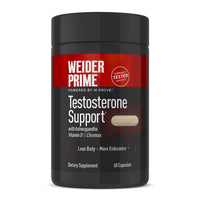
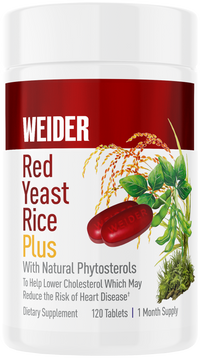
As you put your return-to-work roadmap into practice, it helps to also think about what will sustain your energy and recovery day to day. Reentering the workforce after a long-term illness can stretch your energy, stamina, and resilience, especially as you rebuild routines and handle a full schedule again. Alongside healthy daily habits, carefully chosen, science-backed supplements may support recovery and ongoing wellness by helping you strengthen the physical foundation you’re returning on. Weider Global Nutrition, trusted since 1936, is one resource many people turn to for targeted options, including supplements designed to support cellular energy, sleep and stress, hormone balance, heart health, and longevity, areas that can matter when you’re aiming for steadier capacity and more consistent days at work.
Back-to-Work Questions People Ask Most
Q: How do I explain an illness-related gap without oversharing?
A: Keep it brief and job-focused: share you had a health issue, it’s managed, and you’re ready to contribute. Pivot quickly to what you did to stay sharp, like courses, volunteering, or keeping up with your field. If asked for details, you can say you prefer to keep medical information private.
Q: When should I disclose a disability or ongoing limitations at work?
A: Disclose only when you need an adjustment to do the job or when safety is involved. Many people wait until after an offer, then discuss what helps you perform well. You do not need to share a diagnosis to request support.
Q: How do I request accommodations without feeling like a burden?
A: Frame the request around outcomes: what task is hard, what change would help, and how it benefits your performance. Bring two options, such as a phased schedule or a quieter workspace. Put the request in writing and keep notes on what you agree to.
Q: What basic legal rights protect disabled workers in the U.S.?
A: If you qualify, the ADA can require reasonable accommodations and limits disability discrimination. A helpful starting point is understanding NOD Employment Tracker, which reflects how many employers approach inclusion practices.
Q: How can I protect my health while still meeting expectations?
A: Treat pacing as part of your job: schedule breaks, batch demanding tasks, and set a hard stop time. Since working long hours can increase mistakes and injuries, aim for steady output over heroic sprints.
Sustaining Confidence and Balance in Your Return to Work
Returning after illness can feel like walking a tightrope between proving capability and protecting health. The steadier path is the mindset outlined here: treat reentry as a paced rebuild, clear communication, realistic boundaries, and stress management strategies that support maintaining work-life balance. When that approach guides daily choices, sustaining self-care routines becomes normal, building professional confidence follows, and long-term career planning stops feeling out of reach. A sustainable return to work is built on balance, not bravado.