

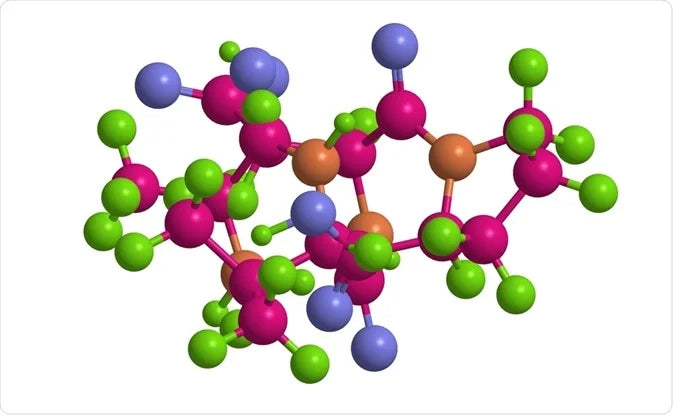
In recent years, peptides have gained significant attention in the world of health, nutrition, and wellness. As science continues to explore how these naturally occurring compounds function in the body, peptides are increasingly being recognized for their potential role in supporting a wide range of biological processes. From muscle recovery and healthy aging to skin health and metabolic support, peptides are becoming a major area of interest for both researchers and health-conscious consumers.
What Are Peptides?
Peptides are short chains of amino acids, which are the building blocks of proteins. While proteins are made up of long, complex chains of amino acids, peptides are much smaller and more easily absorbed and utilized by the body. Because of their size and structure, peptides can act as signaling molecules, helping cells communicate and regulate important biological functions.
The body naturally produces many different peptides, each with specific roles. Some are involved in hormone regulation, while others support immune function, tissue repair, or metabolic activity. In addition to those produced internally, peptides can also be obtained through certain foods or developed through advanced nutritional science.
Why Peptides Matter in Nutrition
The growing interest in peptides is largely due to their targeted functionality. Unlike broad-spectrum nutrients, peptides can influence specific pathways in the body, making them a highly specialized area of nutritional research.
One of the key advantages of peptides is their ability to support communication between cells. This signaling function is essential for maintaining balance in many systems of the body, including muscle tissue, skin, joints, and the digestive system. As we age, natural peptide production may decline, which is why interest in peptide support has increased within the wellness community.
Peptides and Healthy Aging
Healthy aging is one of the most widely discussed applications of peptide research. As the body ages, it naturally undergoes changes in collagen production, muscle maintenance, and cellular repair processes. Certain peptides are being studied for their potential to support these functions and help maintain vitality over time.
In particular, peptides associated with collagen production have gained popularity in the beauty and wellness industries. These compounds are often linked to skin elasticity, hydration, and the appearance of fine lines. Other peptides are being explored for their potential role in supporting muscle preservation and recovery, which is especially important for maintaining strength and mobility with age.
Support for Active Lifestyles
Athletes and active individuals are also showing strong interest in peptides due to their connection with performance and recovery. Physical activity places stress on muscles, joints, and connective tissues. The body relies on efficient repair mechanisms to recover and adapt after exercise.
Peptides may play a role in supporting these natural processes by assisting with tissue repair and recovery signaling. This has made them a topic of interest in sports nutrition and fitness communities, particularly for individuals focused on endurance, strength training, or overall physical performance.
Metabolism and Energy Balance
Another area of interest in peptide research is metabolic health. Some peptides are being studied for their influence on appetite regulation, energy balance, and nutrient utilization. While research is still evolving, the potential for peptides to interact with metabolic pathways has opened new possibilities in nutritional science.
Supporting healthy metabolism is essential not only for weight management but also for overall energy levels and daily performance. As part of a balanced lifestyle that includes proper nutrition, exercise, and sleep, peptides may contribute to maintaining metabolic efficiency.
Skin, Gut, and Immune Support
Beyond fitness and aging, peptides are also being explored for their broader wellness applications. In skin health, certain peptides are commonly used in cosmetic and nutritional formulations aimed at supporting hydration and elasticity.
In gut health, peptide-based compounds are being studied for their potential role in supporting the intestinal barrier and digestive function. Meanwhile, immune-related peptides are of growing interest due to their involvement in the body’s natural defense systems.
These diverse applications highlight the versatility of peptides and their importance in modern nutritional research.
The Future of Peptides in Wellness
As scientific research continues to expand, peptides are expected to play an increasingly important role in the future of nutrition and wellness. Advances in biotechnology and formulation science are making it possible to explore new ways of delivering and utilizing peptide-based compounds in safe and effective ways.
However, it is important to recognize that peptide science is still developing. While early findings are promising, ongoing research is needed to fully understand their long-term effects and optimal applications.
Final Thoughts
Peptides represent an exciting and rapidly evolving area of nutritional science. Their unique ability to act as biological messengers gives them broad potential across multiple areas of health, including aging, recovery, metabolism, and overall wellness.
As interest continues to grow, peptides are likely to become a key focus in next-generation nutrition products. For consumers and health professionals alike, staying informed about this emerging field will be essential as new discoveries continue to shape the future of wellness.





Share:
Simple Daily Steps to Boost Your Well-Being and Feel Great
How to Build Trust and Grow as a Wellness Influencer