

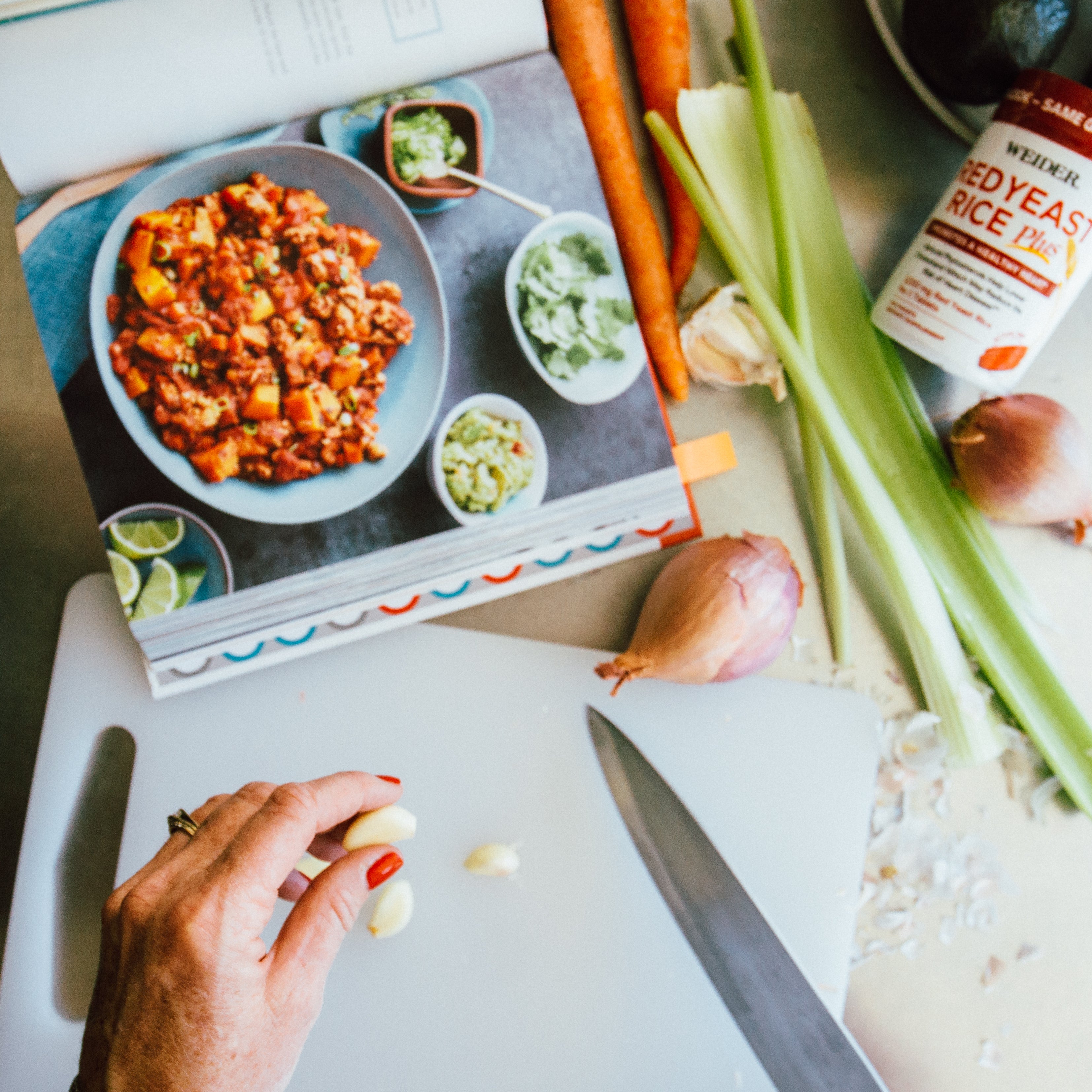
Heart disease unfortunately isn’t 100-percent avoidable, but there are certainly risk factors that we should steer clear from to decrease the chances of having a heart attack or encountering other negative side effects associated with the illness. Heart disease occurs when arteries become narrow from fatty deposits attaching to the artery walls, which can eventually clog the arteries and lead to a blood clot.
The build-up of plaques in the coronary arteries can be caused by a number of factors, like lack of physical activity, family history of heart disease, and cigarette smoking. Of course, food plays a significant role in heart disease, as well, and while there’s no magic diet that eliminates chances of the disease overall, there is evidence that certain foods should and should not be eaten to improve artery health.
A few tips to avoid heart disease with diet tweaks include:
Incorporating healthy, whole foods into every meal. A healthy diet is extra-important in combating heart disease. Foods you should strive to incorporate into meals every week are oily fish (think tuna and salmon), fresh fruits and vegetables, legumes, nuts, seeds, tea, garlic, and foods rich in vitamin E, fiber, whole grains, and omega-3 fatty acids.
Avoiding fast food. Processed and fried foods should be avoided at all costs, which means most fast food joints are no-goes. The reason fast food can be so detrimental to your heart health is that many of the most popular options are loaded with saturated fat, have little to no fresh ingredients, and often come with sugar-filled sodas. If you need to stop by a drive-through when you’re on the go, try to opt for one that has some healthy options to choose from, like apple slices instead of French fries.
Decreasing salt intake. Diets high in salt increase blood pressure, as well as the risk of stroke and heart attack. Many of us ingest more than 10 times the amount of salt we require to meet sodium requirements. So, next time you’re cooking, lay off the salt grinder and, rather, opt for flavor with additional no-salt seasonings, like garlic powder or cayenne pepper.
Trimming fat from meat and removing skin from poultry. This is a simple way to decrease chances of heart disease while cooking and meal-prepping your everyday meals. Fat and poultry skin on meat can add large amounts of fat to your daily intake, and some butchers will even remove them for you if you ask.
Drinking lots of water, and occasionally a glass of red wine. Water is the most natural way to flush your system, so make sure you get at least eight 8-ounce glasses per day (more if you are active or sweat a lot!). But, did you know some studies encourage a glass or two of red wine at night? There are certain antioxidants found in it, plus is increases HDL cholesterol, which is the good kind that clears bad cholesterol from the body. However, don’t overdo it. Too much alcohol can lead to increased blood pressure and increased triglycerides, a kind of fat, in the blood, which do lead to heart disease.





Share:
Pre-Workout Peanut Butter Protein Bites
8 Signs of Low Testosterone